Learn how AI is enhancing early disease detection by analyzing medical data with precision, identifying subtle patterns, and helping doctors.
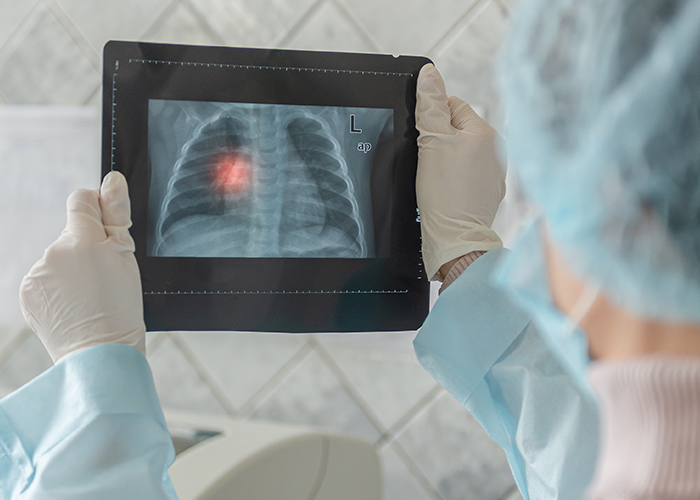
Artificial Intelligence is revolutionizing early disease detection by identifying subtle patterns in medical data that are often invisible to the human eye. Through advanced imaging, predictive algorithms, and data analysis, AI enables faster, more accurate diagnoses at earlier stages.
AI-powered detection systems analyze millions of data points from imaging, lab reports, and patient histories to uncover early signs of illness. These tools can identify anomalies in tissues, blood markers, or vital signs that signal disease onset. Integrated with electronic health records, AI enhances the precision and speed of diagnostics while reducing human error.
AI’s ability to detect diseases before symptoms appear marks a major leap in modern medicine. By analyzing patient data, genetic profiles, and imaging scans, it identifies early warning signs long before traditional tests can. This early insight helps clinicians design personalized treatment strategies and prevent disease progression.
AI doesn’t just diagnose diseases—it foresees them. It reads the invisible signals in our data, uncovering risks before they turn into illness. With every scan and every insight, AI brings medicine closer to true prevention.
AI’s role in early disease detection represents a shift toward predictive and preventive healthcare. By leveraging vast datasets and deep learning models, it enables medical professionals to identify high-risk patients earlier than ever. This proactive approach not only improves survival rates but also reduces the burden on healthcare systems. In the future, AI will continue to push boundaries—making early detection the standard, not the exception.