Case Study Image

Predictive analytics for ICU patient monitoring

Client:

St. Helena Critical Care Hospital (UK)

Type:

Tertiary Care & Intensive Care Unit

Annual imaging volume:

75,000+ ICU admissions

Challenge:

Unpredictable patient deterioration, delayed response to critical changes

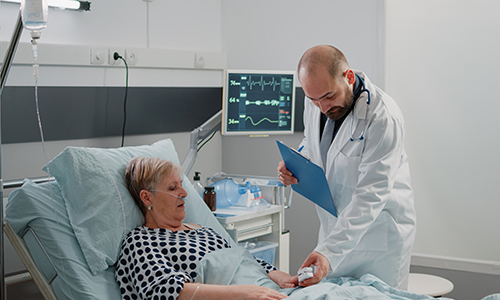
ICU environments demand constant vigilance, where even the smallest delay in recognizing patient deterioration can have life-threatening consequences. To enhance clinical responsiveness and decision-making, St. Helena Medical Center implemented a Predictive Analytics System powered by advanced machine learning algorithms.

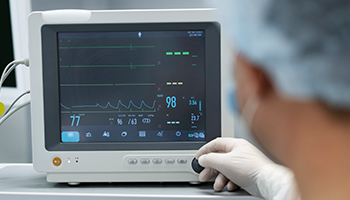
This AI-driven solution continuously analyzes real-time data from patient monitors—such as heart rate, blood pressure, oxygen saturation, and respiratory rate—alongside historical electronic health records. By detecting subtle physiological changes.

The integration of predictive analytics into the ICU workflow transformed traditional reactive monitoring into a proactive model of care. Clinicians gained actionable insights that improved triage accuracy, reduced false alarms, and allowed for timely interventions. Within months of deployment, the hospital observed a notable reduction in unplanned ICU transfers and a measurable improvement in patient outcomes.

Overview Image
Challenges

With rising patient acuity levels and limited ICU staff capacity, St. Helena Medical Center faced:
  • Delayed recognition of patient deterioration events
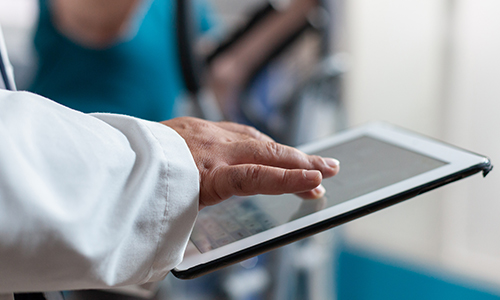
  • High dependency on manual vital sign checks
  • Inconsistent interpretation of patient data across shifts
  • Risk of missed early warning indicators
  • Difficulty integrating data from multiple monitoring systems
No items found.
Solutions

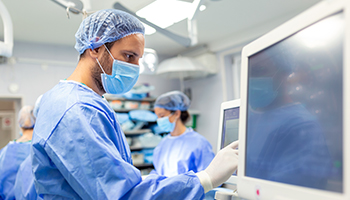
The system leverages AI-driven predictive models to assist clinicians in monitoring critical patients anticipating complications.
  • Real-Time Vital Analysis
    Continuous monitoring of heart rate, oxygen levels, and blood pressure with AI-based trend detection.
  • Early Risk Alerts
    Automatic prediction of conditions like sepsis, cardiac arrest, or respiratory failure before onset.
  • Clinical Decision Support
    AI insights assist doctors in treatment adjustments and medication management.
  • Seamless Integration
    Works directly with ICU monitoring systems and hospital EHR for unified data visualization.
No items found.
Outcome
  • Enabled proactive intervention in critical patient conditions
  • Improved ICU response efficiency and patient outcomes
  • Reduced mortality rates through early risk detection
  • Enhanced care coordination among ICU staff
Results

Delivered real-time insights that enhanced patient safety, reduced response time, and improved ICU workflow efficiency.

< 2 minutes

Alert Response Time

90% accuracy

Early Risk Prediction

25% improvement

ICU Operational
Avatar Image

Dr. Ethan Carter

Imaging Specialist

What used to take hours now takes minutes. AI has made radiology faster and more reliable without compromising quality.

Other case studies

Your form has been submitted successfully. Thank you!
Please double-check your information and try again. If the issue continues, you can also email us directly at support@yourdomain.com

Transform Healthcare with the power of AI

Join the future of patient-centered care. Connect with our team to discover how our AI innovations can revolutionize your healthcare operations.
Avatar ImageAvatar ImageAvatar ImageAvatar Image
Icon
Rated 4.5/5 from 400+ reviews
More Templates